Finding Joie
A Southern Reflection on Ajiri Aki’s Art of Everyday Living & Where French grace meets the heart of Southern living
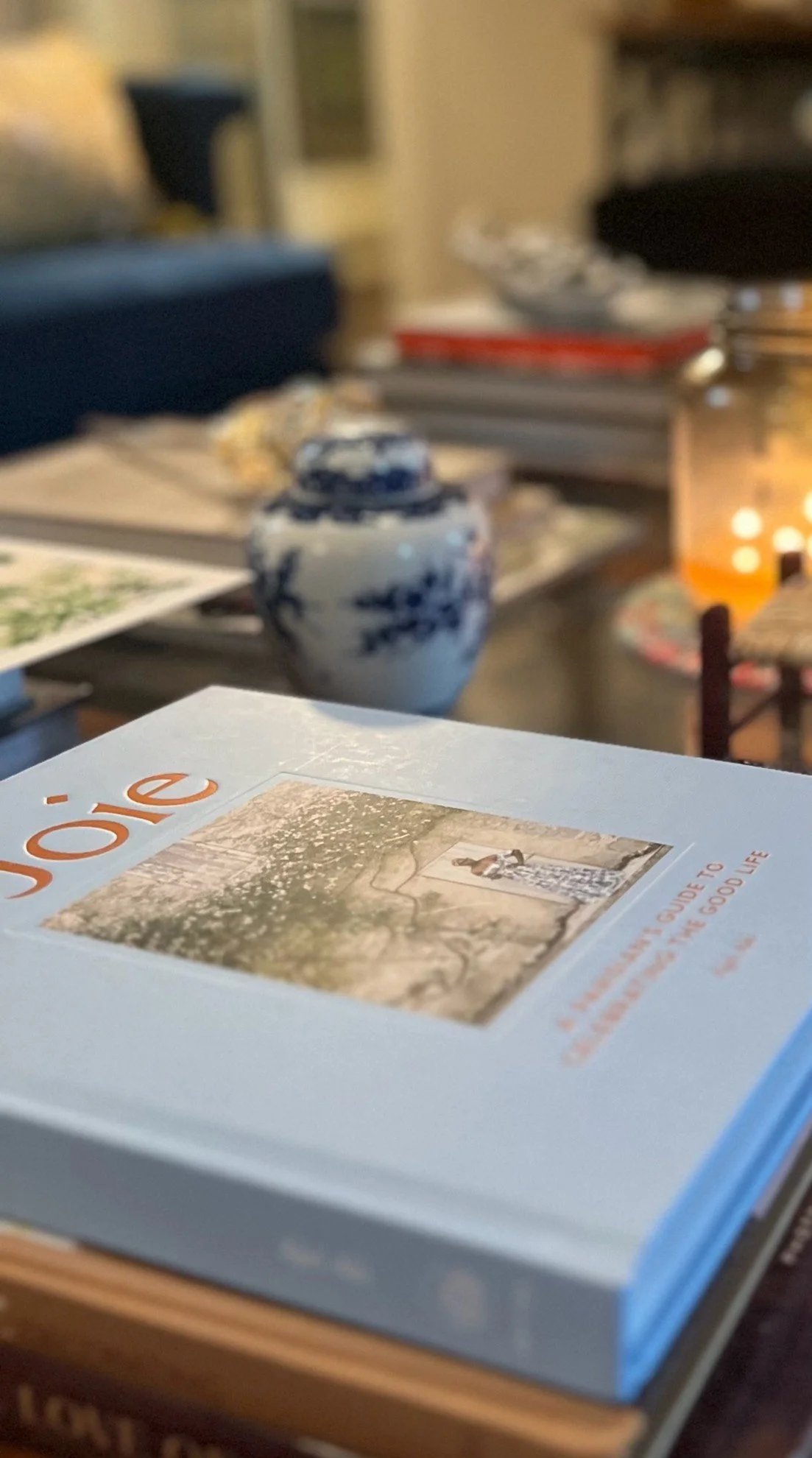
Ajiri Aki’s Joie captures the quiet beauty of French living, and for Southern women, her discovery feels like meeting an old friend in a new language. Let’s do a short exploration on how French Joie mirrors the comfort, rhythm, and ritual that define life in the South.
In the South, we understand stillness. A porch teaches patience. A glass of sweet, iced tea teaches presence. Time stretches just enough for gratitude to arrive. Ajiri Aki describes finding that same sacred pause in France, not through luxury or perfection, but through attentiveness. Through noticing how a home feels at different hours of the day. Through honoring daily rituals as worthy of care.
Joie, as she presents it, does not announce itself. It is a small hum. It lives in light-touching linen curtains, in the rhythm of meals prepared thoughtfully, most from scratch, in the decision to make an ordinary moment beautiful simply because it is yours. That idea resonates deeply in the South, where beauty is sewn into daily life rather than reserved for special occasions.
Most southern women were raised on this wisdom, whether it had a specific name. We learned it from watching our mothers and grandmothers tend to the home with devotion, many for devotion and display. From setting tables without company expected. From ironing napkins, lighting candles, or wearing lipstick to the grocery store, not as vanity, but as respect for life itself. These gestures tell us that today matters.
The French may linger over wine at the table, while Southerners gather on the porch with lemonade or sweet tea. One serves baguettes, the other serves biscuits. But the offering is the same presence. Hospitality in both cultures is not a performance. It is warmth. It is an unspoken invitation to Joie.
I also enjoy the shared grace in imperfection. Ajiri Aki writes of chipped China and imperfect bouquets, which carry more meaning than polished perfection. In the South, a scuffed floor or mismatched chairs tells a story of living, loving, and welcoming others in. These are not flaws. They are evidence of life well lived.
Both cultures resist the tyranny of haste. The French call it savoring. Southerners call it taking our time. Neither confuses slowness with laziness. It is intentional grace and a refusal to let the clock outrun the soul. Whether stirring a pot on the stove or rocking gently as dusk settles in, the rhythm is the same.
What Joie offers, then, is not a lifestyle to adopt, but a truth to remember. Joie does not require reinvention. It already lives where care is practiced. In homes that breathe, rituals that ground us, and in choosing presence over perfection.
Joie may be French by name, but its spirit knows many homes, including mine.
And perhaps that is the most comforting realization of all, that Joie, wherever it is found, speaks a universal language, one best learned in the quiet moments of everyday life.
Overall…
I truly enjoyed reading Joie: A Parisian’s Guide to Celebrating the Good Life. Ajiri Aki doesn’t romanticize France as perfection; she uncovers the quiet pulse beneath it. From the very beginning, it felt less like discovering a new philosophy and more like recognizing something I already understood but hadn't named. I felt both inspired and validated. As a southern woman inspired to be more present and valid in the belief that beauty and meaning have always lived right where I am, in the ordinary moments that, when treated with care, become extraordinary.
References & Inspirations
Aki, Ajiri. Joie: A Parisian’s Guide to Celebrating the Good Life. Clarkson Potter, 2023.
Aki, Ajiri.Madame de la Maison. https://madamedelamaison.com